The 2002 Honda CR-V is a compact SUV that was first introduced to the market in 1995. Over the years, it has gained a reputation for being reliable and durable, but like any vehicle, it is not immune to problems.
Some common issues that have been reported by owners of the 2002 Honda CR-V include transmission problems, faulty ignition switches, and issues with the fuel system. In addition, some owners have reported problems with the suspension, brakes, and electrical system.
While these issues can be frustrating for drivers, it is important to remember that most vehicles will experience some kind of problem at some point, and that many issues can be addressed through regular maintenance and timely repairs.
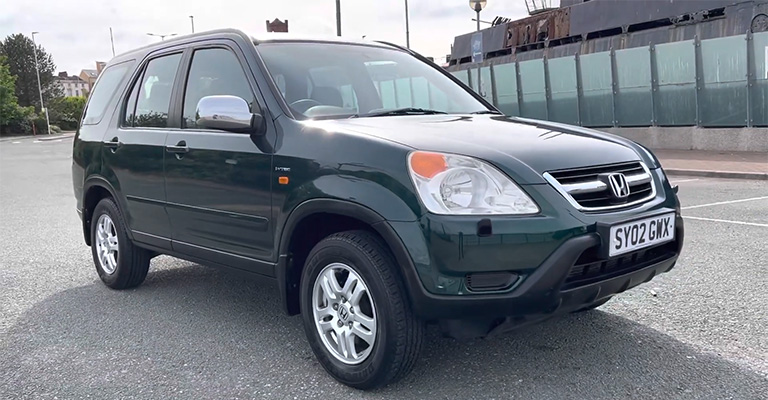
2002 Honda CR-V Problems
1. Air conditioning blowing warm air
This issue can be caused by a variety of factors, including a malfunctioning compressor, low refrigerant levels, or a faulty air conditioning system. In some cases, the problem may be due to a leak in the system or a faulty valve.
To fix this problem, it may be necessary to repair or replace the faulty component.
2. Sticky door locks
Door lock tumblers can become worn over time, which can cause them to become sticky or difficult to operate. This issue may be caused by a lack of lubrication or by debris that has accumulated in the lock mechanism.
To fix this problem, it may be necessary to disassemble the lock and clean or lubricate the tumblers.
3. Groaning noise on turns
This issue may be caused by a problem with the differential fluid. Differential fluid is responsible for lubricating the gears in the differential, and if the fluid breaks down, it can cause the gears to grind against each other, resulting in a groaning noise.
To fix this problem, it may be necessary to replace the differential fluid and check for any other issues with the differential. It’s important to address this issue promptly, as a malfunctioning differential can cause serious damage to the vehicle if left unchecked.
4. Harsh shift from first to second gear
This issue may be caused by a problem with the transmission, such as a malfunctioning shift solenoid or a faulty transmission control module.
In some cases, the problem may be due to a lack of lubrication or wear and tear on the transmission gears. To fix this problem, it may be necessary to repair or replace the faulty component.
5. Windshield wipers won’t park
This issue may be caused by a problem with the windshield wiper motor, which is responsible for moving the wipers back and forth across the windshield. If the motor is faulty, the wipers may not be able to park in their designated position when turned off.
To fix this problem, it may be necessary to replace the windshield wiper motor.
6. Warped front brake rotors
Brake rotors can become warped over time due to heavy use or improper brake pad installation. Warped rotors can cause the brakes to vibrate when applied, which can be a nuisance for drivers. To fix this problem, it may be necessary to replace the brake rotors.
In some cases, it may also be necessary to replace the brake pads if they are worn or damaged. It’s important to address this issue promptly, as faulty brakes can be a safety hazard.
7. Tailgate light flickering on dashboard
This issue may be caused by a problem with the electrical system, such as a faulty tailgate light or a malfunctioning wiring harness. In some cases, the problem may be due to a fault in the vehicle’s computer system. To fix this problem, it may be necessary to repair or replace the faulty component.
8. Water leaking from the base of the windshield
This issue may be caused by a problem with the vehicle’s weather stripping or a faulty seal around the windshield. Water can leak into the vehicle through these points if they become damaged or worn. To fix this problem, it may be necessary to replace the weather stripping or seal.
9. Check engine light due to binding fuel cap
A binding fuel cap can cause the check engine light to turn on because it can cause problems with the vehicle’s fuel system. The fuel cap is responsible for sealing the fuel tank and preventing fuel from leaking out.
If the fuel cap becomes stuck or does not seal properly, it can cause problems with the fuel system, such as a loss of fuel pressure. To fix this problem, it may be necessary to replace the fuel cap.
10. Engine valves failing prematurely
This issue may be caused by a problem with the engine valves or the valve springs. If the valves or springs become worn or damaged, they may not function properly, which can cause engine problems.
To fix this problem, it may be necessary to repair or replace the faulty component. It’s important to address this issue promptly, as a malfunctioning engine can cause serious damage to the vehicle if left unchecked.
11. Check engine light due to sticking intake manifold runner solenoid
This issue may be caused by a problem with the intake manifold runner solenoid, which is responsible for controlling the flow of air into the engine.
If the solenoid becomes stuck or malfunctioning, it can cause problems with the engine and trigger the check engine light to turn on. To fix this problem, it may be necessary to repair or replace the faulty component.
12. Grinding noise from rear disc brakes
This issue may be caused by corrosion of the caliper bracket, which is responsible for supporting the brake caliper. If the bracket becomes corroded, it can cause the brake caliper to grind against the brake rotor, resulting in a grinding noise.
To fix this problem, it may be necessary to replace the caliper bracket.
13. Noise from water pump bearing
The water pump is responsible for circulating coolant throughout the engine to keep it cool. If the bearing in the water pump becomes worn or damaged, it can cause a noise. To fix this problem, it may be necessary to replace the water pump.
14. Check engine light due to faulty fuel tank pressure sensor
The fuel tank pressure sensor is responsible for measuring the pressure in the fuel tank. If the sensor becomes faulty or damaged, it can cause problems with the fuel system and trigger the check engine light to turn on. To fix this problem, it may be necessary to replace the fuel tank pressure sensor.
15. Check engine light due to defective throttle body
The throttle body is responsible for controlling the flow of air into the engine. If the throttle body becomes faulty or damaged, it can cause problems with the engine and trigger the check engine light to turn on. To fix this problem, it may be necessary to replace the throttle body.
Possible Solution
| Problem | Possible Solution |
| Air conditioning blowing warm air | Repair or replace compressor, refill refrigerant, repair or replace faulty component |
| Sticky door locks | Disassemble and clean or lubricate tumblers |
| Groaning noise on turns | Replace differential fluid, check for other issues with the differential |
| Harsh shift from first to second gear | Repair or replace shift solenoid or transmission control module, lubricate transmission gears |
| Windshield wipers won’t park | Replace windshield wiper motor |
| Warped front brake rotors | Replace brake rotors and pads |
| Tailgate light flickering on dashboard | Repair or replace faulty component or wiring harness |
| Water leaking from the base of the windshield | Replace weather stripping or seal |
| Check engine light due to binding fuel cap | Replace fuel cap |
| Engine valves failing prematurely | Repair or replace faulty component |
| Check engine light due to sticking intake manifold runner solenoid | Repair or replace faulty component |
| Grinding noise from rear disc brakes | Replace caliper bracket |
| Noise from water pump bearing | Replace water pump |
| Check engine light due to faulty fuel tank pressure sensor | Replace fuel tank pressure sensor |
| Check engine light due to defective throttle body | Replace throttle body |
2002 Honda CR-V Recalls
| Recall Number | Issue |
| 19V501000 | Newly Replaced Passenger Air Bag Inflator Ruptures During Deployment Spraying Metal Fragments |
| 19V499000 | Newly Replaced Driver’s Air Bag Inflator Ruptures During Deployment Spraying Metal Fragments |
| 19V182000 | Driver’s Frontal Air Bag Inflator Ruptures During Deployment Spraying Metal Fragments |
| 18V268000 | Front Passenger Air Bag Inflator Potentially Installed Improperly During Replacement |
| 15V370000 | Front Passenger Air Bag Defective |
| 15V320000 | Driver’s Front Air Bag Defective |
| 14V700000 | Front Airbag Inflator Module |
| 12V486000 | Driver’s Power Window Switch May Fail |
| 04V255000 | Honda Recalls 2002-2004 CR-V Models Due to Air Bag Wire Harness Issue |
| 02V251000 | Honda Recalls 2002 CR-V Models Due to Insufficient Front Seat Anchorage Nut Strength |
| 01V351000 | Honda Recalls 2002 CR-V Models Due to Faulty Seat Belt Pretensioners |
| 03V274000 | Honda Recalls 2002-2003 CR-V Models Due to Corroded Shift Cable Linkage |
| 20V768000 | Driver’s Power Window Switch Melts And Fails Causing Fire Hazard |
| 12V136000 | Low Beam Headlights May Fail |
| 03V324000 | Honda Recalls 2002-2003 CR-V Models Due to Transmission Control Module Programming Issue |
Recall 19V501000 and Recall 19V499000:
These recalls were issued due to issues with the airbag inflators, which could rupture during deployment and spray metal fragments. This could cause serious injury or death to the driver or passengers.
Recall 19V182000:
This recall was issued due to issues with the driver’s frontal airbag inflator, which could rupture during deployment and spray metal fragments. This could cause serious injury or death to the driver or passengers.
Recall 18V268000:
This recall was issued due to issues with the front passenger airbag, which could potentially be installed improperly during replacement. This could cause the airbag to deploy improperly in the event of a crash, increasing the risk of injury.
Recall 15V370000 and Recall 15V320000:
These recalls were issued due to issues with the front passenger and driver’s airbags, respectively. The inflators in these airbags could rupture during deployment and spray metal fragments, which could cause serious injury or death to the driver or passengers.
Recall 14V700000:
This recall was issued due to issues with the front passenger airbag, which could rupture during deployment and spray metal fragments. This could cause serious injury or death to the passenger or other occupants.
Recall 12V486000:
This recall was issued due to issues with the driver’s power window switch, which could fail and overheat, potentially causing a fire.
Recall 04V255000:
This recall was issued due to issues with the airbag wire harness, which could cause the airbag inflation rate to be incorrect in the event of a crash. This could increase the risk of injury to the driver.
Recall 02V251000:
This recall was issued due to issues with the front seat anchorage nut strength, which may not be sufficient to withstand the force of a collision. This could cause the front seat occupants to not be restrained properly.
Recall 01V351000:
This recall was issued due to issues with the seat belt pretensioners, which could unlatch in the event of a crash, leaving the front seat occupants unrestrained.
Recall 03V274000:
This recall was issued due to issues with the shift cable linkage, which could corrode and bind, causing the vehicle to roll if the parking brake was not engaged.
Recall 20V768000:
This recall was issued due to issues with the driver’s power window switch, which could melt and fail, potentially causing a fire hazard.
Recall 12V136000:
This recall was issued due to issues with the low beam headlights, which could fail and cause reduced visibility while driving at night.
Recall 05V317000:
This recall was issued due to issues with the vehicle’s power steering system, which could fail and cause the driver to lose control of the vehicle.
Recall 01V341000:
This recall was issued due to issues with the vehicle’s transmission, which could fail and cause the vehicle to stall.
Recall 00V408000:
This recall was issued due to issues with the vehicle’s fuel system, which could leak and increase the risk of a fire.
Problems and Complaints Sources
https://repairpal.com/2002-honda-cr-v/problems
https://www.carcomplaints.com/Honda/CR-V/2002/
All Honda CR-V years we talked –