The 2008 Honda Accord is a popular mid-size sedan that has been on the market for many years. While the Accord is generally a reliable vehicle, there have been some common problems reported by owners over the years.
Some of the most frequently reported problems with the 2008 Honda Accord include issues with the transmission, suspension, and electrical system. In this article, we will discuss some of the specific problems that have been reported with the 2008 Honda Accord, as well as potential solutions for these issues.
It is important to note that every car will have its own unique set of issues, and the problems listed below may not necessarily apply to every 2008 Honda Accord.
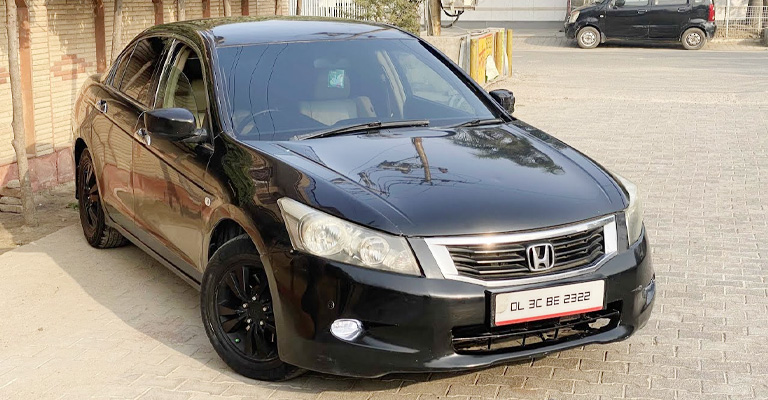
2008 Honda Accord Problems
1. “No Start” Due to Ignition Switch Failure
This problem is caused by a failure of the ignition switch, which can prevent the car from starting or cause it to stall while driving. This issue is often accompanied by other symptoms, such as the headlights and dashboard lights flickering or the power steering and brakes failing.
The ignition switch is an important component of the car’s electrical system, and a failure can be caused by a variety of factors, including wear and tear, water damage, or electrical issues.
2. Check Engine and D4 Lights Flashing
The check engine light is a warning indicator that is displayed when there is a problem with the car’s engine or emissions control system. The D4 light is a transmission warning indicator that is displayed when there is a problem with the car’s transmission.
The flashing of these lights can indicate a variety of issues, including problems with the car’s sensors, fuel system, or transmission. It is important to have the car checked by a mechanic as soon as possible if these lights are flashing, as ignoring the problem can lead to further damage and potentially costly repairs.
3. Radio/Climate Control Display May Go Dark
Some owners of the 2008 Honda Accord have reported that the display for the radio and climate control system will occasionally go dark, making it difficult to see or use the controls. This issue can be caused by a variety of factors, including a failure of the display itself or problems with the car’s electrical system.
4. Faulty Door Lock Actuator May Cause Power Door Locks to Activate Intermittently
The door lock actuator is a component that is responsible for controlling the power door locks on the car. Some owners of the 2008 Honda Accord have reported that the
door lock actuator may fail, causing the power door locks to activate intermittently or not at all. This issue can be frustrating and may also compromise the security of the car.
It is important to have the door lock actuator replaced if it is faulty in order to restore proper function to the power door locks.
5. Warped Front Brake Rotors May Cause Vibration When Braking
The brake rotors on a car are an important component of the braking system, and they can become warped over time due to wear and tear or exposure to extreme heat. Warped brake rotors can cause a vibration when the brakes are applied, which can be uncomfortable and may also indicate a need for further repairs.
This issue is typically caused by the rotors becoming unevenly worn or damaged, and it may be necessary to have them replaced in order to fix the problem.
6. Air Conditioning Blowing Warm Air
The air conditioning system in a car is designed to blow cold air in order to keep the interior of the vehicle cool and comfortable. If the air conditioning is blowing warm air, it can be a sign of a problem with the system. This issue can be caused by a variety of factors, including a failure of the compressor, a leak in the system, or a problem with the refrigerant.
It is important to have the air conditioning system checked by a mechanic if it is blowing warm air, as ignoring the problem can lead to further damage and potentially costly repairs.
7. Front Compliance Bushings May Crack
The compliance bushings on a car are an important component of the suspension system, and they can become cracked over time due to wear and tear or exposure to extreme temperatures. Cracked compliance bushings can cause problems with the handling and stability of the car, and they may also cause noise and vibration.
This issue is typically caused by the bushings becoming worn or damaged, and it may be necessary to have them replaced in order to fix the problem.
8. Bad Engine Mounts May Cause Vibration, Roughness, and Rattle
The engine mounts on a car are an important component of the suspension system, and they are responsible for securing the engine to the chassis. If the engine mounts are bad, it can cause a variety of issues, including vibration, roughness, and a rattle noise.
This issue is typically caused by the engine mounts becoming worn or damaged, and it may be necessary to have them replaced in order to fix the problem. Ignoring this issue can lead to further damage to the engine and potentially costly repairs.
9. Problems Shifting Into 3rd Gear
Some owners of the 2008 Honda Accord have reported issues with the car shifting into 3rd gear. This issue can be caused by a variety of factors, including problems with the transmission, the clutch, or the shift linkage.
It is important to have the car checked by a mechanic as soon as possible if there are problems shifting into 3rd gear, as ignoring the problem can lead to further damage and potentially costly repairs.
10. Bad Rear Hub/Bearing Unit
The hub and bearing unit is an important component of the car’s suspension and steering system, and it is responsible for supporting the weight of the car and allowing the wheels to rotate. If the rear hub and bearing unit is bad, it can cause problems with the handling and stability of the car, and it may also cause noise and vibration.
This issue is typically caused by the hub and bearing unit becoming worn or damaged, and it may be necessary to have it replaced in order to fix the problem.
11. Check Engine Light for Running Rough and Difficulty Starting
The check engine light is a warning indicator that is displayed when there is a problem with the car’s engine or emissions control system. If the check engine light is on and the car is running rough or having difficulty starting, it can indicate a variety of issues, including problems with the car’s sensors, fuel system, or ignition system.
It is important to have the car checked by a mechanic as soon as possible if the check engine light is on and there are issues with the car running rough or starting, as ignoring the problem can lead to further damage and potentially costly repairs.
12. Check Engine Light Due to Failed Air Fuel Sensor or Oxygen Sensor
The air fuel sensor and oxygen sensor are important components of the car’s emissions control system, and they are responsible for measuring the air-fuel ratio and the oxygen content of the exhaust gases. If either of these sensors fail, it can cause the check engine light to come on and may also affect the performance of the car.
This issue is typically caused by the sensors becoming worn or damaged, and it may be necessary to have them replaced in order to fix the problem. It is important to have the car checked by a mechanic if the check engine light is on and there are suspected issues with the air fuel sensor or oxygen sensor.
13. Plugged Moon Roof Drains May Cause Water Leak
The moon roof drains on a car are responsible for directing water away from the moon roof and preventing leaks. If the moon roof drains become plugged, it can cause water to leak into the car, which can be a nuisance and may also cause damage to the interior.
This issue is typically caused by debris or leaves blocking the drains, and it can be fixed by cleaning the drains and ensuring that they are clear.
14. Water Leak Due to Plugged AC Drain
The AC drain on a car is responsible for directing water away from the air conditioning system and preventing leaks. If the AC drain becomes plugged, it can cause water to leak into the car, which can be a nuisance and may also cause damage to the interior.
This issue is typically caused by debris or leaves blocking the drain, and it can be fixed by cleaning the drain and ensuring that it is clear.
15. Transmission solenoid may short-circuit and cause CEL
The transmission solenoid is an important component of the car’s transmission system, and it is responsible for controlling the flow of transmission fluid. If the transmission solenoid short-circuits, it can cause the check engine light to come on and may also affect the performance of the car.
This issue is typically caused by a failure of the solenoid or problems with the car’s electrical system, and it may be necessary to have the solenoid replaced in order to fix the problem.
16. Failed VTEC oil pressure switch
The VTEC oil pressure switch is an important component of the car’s engine system, and it is responsible for regulating the flow of oil to the VTEC system. If the VTEC oil pressure switch fails, it can cause problems with the performance of the car and may also trigger the check engine light.
This issue is typically caused by a failure of the switch or problems with the car’s oil system, and it may be necessary to have the switch replaced in order to fix the problem.
17. Failed Vacuum Brake Booster Hose May Cause Brake to Feel Hard
The vacuum brake booster hose is an important component of the car’s braking system, and it is responsible for supplying vacuum to the brake booster. If the vacuum brake booster hose fails, it can cause the brake pedal to feel hard and may also affect the performance of the brakes.
This issue is typically caused by a failure of the hose or problems with the car’s vacuum system, and it may be necessary to have the hose replaced in order to fix the problem. It is important to address this issue as soon as possible, as ignoring it can compromise the safety of the car.
Possible Solution
| Problem | Possible Solution |
| “No Start” Due to Ignition Switch Failure | Replace the ignition switch |
| Check Engine and D4 Lights Flashing | Have the car checked by a mechanic to diagnose the issue and determine the solution |
| Radio/Climate Control Display May Go Dark | Replace the display or have the car’s electrical system checked by a mechanic |
| Faulty Door Lock Actuator May Cause Power Door Locks to Activate Intermittently | Replace the door lock actuator |
| Warped Front Brake Rotors May Cause Vibration When Braking | Replace the front brake rotors |
| Air Conditioning Blowing Warm Air | Have the air conditioning system checked by a mechanic |
| Front Compliance Bushings May Crack | Replace the front compliance bushings |
| Bad Engine Mounts May Cause Vibration, Roughness, and Rattle | Replace the engine mounts |
| Problems Shifting Into 3rd Gear | Have the car checked by a mechanic to diagnose the issue and determine the solution |
| Bad Rear Hub/Bearing Unit | Replace the rear hub/bearing unit |
| Check Engine Light for Running Rough and Difficulty Starting | Have the car checked by a mechanic to diagnose the issue and determine the solution |
| Check Engine Light Due to Failed Air Fuel Sensor or Oxygen Sensor | Replace the failed air fuel sensor or oxygen sensor |
| Plugged Moon Roof Drains May Cause Water Leak | Clean the moon roof drains |
| Water Leak Due to Plugged AC Drain | Clean the AC drain |
| Transmission solenoid may short-circuit and cause CEL | Replace the transmission solenoid |
| Failed VTEC oil pressure switch | Replace the VTEC oil pressure switch |
| Failed Vacuum Brake Booster Hose May Cause Brake to Feel Hard | Replace the vacuum brake booster hose |
2008 Honda Accord Recalls
| Recall Number | Description | Affected Models |
| 19V502000 | Newly Replaced Passenger Air Bag Inflator Ruptures During Deployment Spraying Metal Fragments | 10 |
| 19V378000 | Replacement Passenger Frontal Air Bag Inflator Improperly Installed During Previous Recall | 10 |
| 18V268000 | Front Passenger Air Bag Inflator Potentially Installed Improperly During Replacement | 10 |
| 17V545000 | Replacement Air Bag Inflator For Previous Recall May Have Been Improperly Installed | 8 |
| 17V030000 | Passenger Air Bag Inflator Ruptures During Deployment Spraying Metal Fragments | 9 |
| 16V346000 | Passenger Frontal Air Bag Inflator Ruptures On Deployment | 9 |
| 16V056000 | Air Bags May Not Deploy In An Accident | 1 |
| 11V395000 | Automatic Transmission Bearing Failure | 3 |
Recall 19V502000:
This recall affects certain 2008 Honda Accord models with a passenger air bag inflator that may rupture during deployment, spraying metal fragments. An inflator explosion can cause serious injury or death to the vehicle’s occupants. Honda will notify owners and dealers will replace the inflator, free of charge.
Recall 19V378000:
This recall affects certain 2008 Honda Accord models with a passenger frontal air bag inflator that may have been improperly installed during a previous recall.
An incorrectly installed air bag inflator may not properly deploy the passenger frontal air bag in the event of a crash, increasing the risk of injury. Honda will notify owners and dealers will replace the inflator, free of charge.
Recall 18V268000:
This recall affects certain 2008 Honda Accord models with a front passenger air bag inflator that may have been installed improperly during replacement. An incorrectly
installed air bag may deploy improperly in the event of a crash, increasing the risk of injury. Honda will notify owners and dealers will replace the inflator, free of charge.
Recall 17V545000:
This recall affects certain 2008 Honda Accord models with a replacement air bag inflator that may have been improperly installed during a previous recall.
In the event of a crash, an incorrectly installed passenger frontal air bag inflator may deploy the air bag improperly, increasing the risk of injury. Honda will notify owners and dealers will replace the inflator, free of charge.
Recall 17V030000:
This recall affects certain 2008 Honda Accord models with a passenger air bag inflator that may rupture during deployment, spraying metal fragments. An inflator rupture can cause serious injury or death to the vehicle’s occupants. Honda will notify owners and dealers will replace the inflator, free of charge.
Recall 16V346000:
This recall affects certain 2008 Honda Accord models with a passenger frontal air bag inflator that may rupture on deployment. An inflator rupture can cause serious injury or death to the vehicle’s occupants. Honda will notify owners and dealers will replace the inflator, free of charge.
Recall 16V056000:
This recall affects certain 2008 Honda Accord models with air bags that may not deploy in an accident. If the air bag control unit fails, the air bags may not deploy in the event of a crash, increasing the risk of occupant injury.
Honda will notify owners and dealers will replace the air bag control unit, free of charge.
Recall 11V395000:
This recall affects certain 2008 Honda Accord models with an automatic transmission bearing that may fail. A failed bearing could cause the engine to stall and may also cause broken pieces of the outer race or ball bearing from the secondary shaft to become lodged in the parking pawl, causing the vehicle to roll after the driver has placed the gear selector in the “park” position.
This increases the risk of a crash or personal injury to persons within the path of a rolling vehicle. Honda will notify owners and dealers will inspect and, if necessary, replace the secondary shaft bearing, free of charge.
Problems and Complaints Sources
https://repairpal.com/2008-honda-accord/problems
https://www.carcomplaints.com/Honda/Accord/2008/
All Honda Accord years we talked –