The 2009 Honda Accord is a popular mid-size sedan that was produced by the Japanese automaker Honda. Like any vehicle, it is not immune to experiencing problems.
Some common issues that have been reported by owners of the 2009 Honda Accord include transmission problems, engine problems, and electrical issues.
In this article, we will explore some of the most common problems reported by owners of the 2009 Honda Accord, as well as potential solutions for addressing these issues.
It is important to note that the severity and frequency of these problems may vary depending on a number of factors, including the specific model, the age of the vehicle, and the driving conditions it has been subjected to.
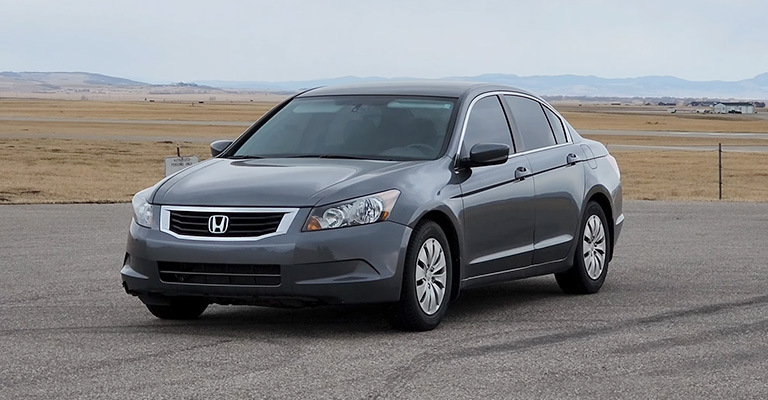
2009 Honda Accord Problems
1. “No Start” Due to Ignition Switch Failure
This problem can occur if the ignition switch in the Honda Accord fails, preventing the engine from starting. This can be caused by a variety of factors, such as a faulty ignition switch or a problem with the wiring harness.
If you are experiencing this issue, it is recommended to have the ignition switch and wiring checked by a professional mechanic.
2. Check Engine and D4 Lights Flashing
The check engine light is a warning indicator that is designed to alert the driver to potential problems with the vehicle’s engine or emissions system. The D4 light is a transmission indicator that is used to indicate the transmission’s current gear.
If these lights are flashing, it could indicate a problem with the engine or transmission that needs to be addressed. Common causes of this problem include faulty sensors, worn spark plugs, or a failing transmission.
3. Radio/Climate Control Display May Go Dark
Some owners of the 2009 Honda Accord have reported that the display for the radio and climate control system may go dark or become unresponsive. This can be caused by a variety of factors, including a faulty display unit or a problem with the wiring.
If you are experiencing this issue, it is recommended to have the display unit and wiring checked by a professional mechanic.
4. Faulty Door Lock Actuator May Cause Power Door Locks to Activate Intermittently
The door lock actuator is a small motor that is responsible for controlling the power door locks. If the actuator fails, it can cause the power door locks to activate intermittently or not at all. This can be a frustrating issue, as it can make it difficult to lock or unlock the doors.
If you are experiencing this issue, it is recommended to have the door lock actuator replaced by a professional mechanic.
5. Warped Front Brake Rotors May Cause Vibration When Braking
Warped brake rotors can cause a vibration when braking, which can be uncomfortable and potentially unsafe. This problem is typically caused by the rotors overheating due to excessive braking or driving in harsh conditions.
If you are experiencing a vibration when braking, it is recommended to have the brake rotors checked by a professional mechanic. If the rotors are found to be warped, they will need to be replaced.
6. Air Conditioning Blowing Warm Air
If the air conditioning system in your Honda Accord is blowing warm air instead of cold, it could indicate a problem with the system. This issue can be caused by a variety of factors, such as a faulty compressor, low refrigerant levels, or a problem with the air conditioning system’s controls.
If you are experiencing this issue, it is recommended to have the air conditioning system checked by a professional mechanic.
7. Front Compliance Bushings May Crack
The compliance bushings in the front suspension of the Honda Accord are designed to absorb shock and reduce vibrations. If these bushings crack or fail, it can cause issues with the handling and stability of the vehicle.
If you are experiencing problems with the handling or stability of your Honda Accord, it is recommended to have the compliance bushings checked by a professional mechanic. If they are found to be damaged, they will need to be replaced.
8. Porous Engine Block Casting May Cause Engine Oil Leaks
If you are experiencing engine oil leaks from your Honda Accord, it could be caused by a porous engine block casting. This problem is typically caused by a manufacturing defect that allows oil to leak through the walls of the engine block.
If you are experiencing engine oil leaks, it is recommended to have the engine block checked by a professional mechanic. If the engine block is found to be porous, it will need to be replaced.
9. Driver’s Door Latch Assembly May Break Internally
If the driver’s door latch assembly in your Honda Accord breaks internally, it can cause the door to become stuck or difficult to open. This problem is typically caused by wear and tear on the latch assembly over time.
If you are experiencing issues with the driver’s door latch, it is recommended to have it checked by a professional mechanic. If the latch assembly is found to be damaged, it will need to be replaced.
10. Bad Engine Mounts May Cause Vibration, Roughness, and Rattle
The engine mounts in your Honda Accord are responsible for securing the engine to the frame of the vehicle. If the engine mounts are worn or damaged, it can cause vibration, roughness, and rattle when driving.
This problem can be caused by a variety of factors, including age, wear and tear, and driving conditions. If you are experiencing any of these issues, it is recommended to have the engine mounts checked by a professional mechanic. If they are found to be damaged, they will need to be replaced.
11. Problems Shifting Into 3rd Gear
Some owners of the 2009 Honda Accord have reported issues with shifting into third gear. This problem can be caused by a variety of factors, including a faulty transmission, worn gears, or a problem with the transmission’s control system.
If you are experiencing problems shifting into third gear, it is recommended to have the transmission and its components checked by a professional mechanic.
12. Bad rear hub/bearing unit
The rear hub and bearing unit in your Honda Accord is responsible for supporting the weight of the vehicle and allowing the wheels to rotate smoothly. If the rear hub and bearing unit is damaged or worn, it can cause issues with the handling and stability of the vehicle.
Some common symptoms of a bad rear hub and bearing unit include noise and vibration when driving, difficulty turning, and uneven tire wear. If you are experiencing any of these issues, it is recommended to have the rear hub and bearing unit checked by a professional mechanic. If they are found to be damaged, they will need to be replaced.
13. Leaking Gaskets May Allow Water into Tail Light Assembly
If the gaskets around the tail light assembly in your Honda Accord are leaking, it can allow water to enter the assembly and cause issues. This problem can be caused by a variety of factors, including wear and tear on the gaskets, exposure to harsh weather conditions, and improper installation.
If you are experiencing issues with water entering the tail light assembly, it is recommended to have the gaskets checked and replaced by a professional mechanic.
14. Check Engine Light Due to Failed Air Fuel Sensor or Oxygen Sensor
The air fuel sensor and oxygen sensor in your Honda Accord are important components of the engine’s fuel and emissions systems. If these sensors fail or malfunction, it can cause the check engine light to turn on.
Some common symptoms of a failed air fuel sensor or oxygen sensor include reduced fuel efficiency, engine performance issues, and increased emissions.
If you are experiencing any of these issues and the check engine light is on, it is recommended to have the sensors checked and replaced by a professional mechanic.
15. Plugged Moon Roof Drains May Cause Water Leak
If the drains for the moon roof in your Honda Accord become plugged, it can cause water to leak into the vehicle. This problem can be caused by a variety of factors, including debris getting stuck in the drains, a malfunctioning drain valve, or a problem with the moon roof seal.
If you are experiencing water leaks in your Honda Accord, it is recommended to have the moon roof drains checked and cleared by a professional mechanic.
16. Water Leak Due to Plugged AC Drain
The AC drain in your Honda Accord is responsible for carrying excess moisture away from the air conditioning system. If the drain becomes plugged, it can cause water to leak into the vehicle.
This problem can be caused by a variety of factors, including debris getting stuck in the drain, a malfunctioning drain valve, or a problem with the AC system.
If you are experiencing water leaks in your Honda Accord, it is recommended to have the AC drain checked and cleared by a professional mechanic.
17. Check Engine Light Due to Low Engine Oil Level
The check engine light can turn on if the engine oil level in your Honda Accord becomes too low. This problem can be caused by a variety of factors, including oil leaks, improper oil level, or oil consumption.
If you are experiencing issues with the engine oil level and the check engine light is on, it is recommended to have the oil level checked and topped off by a professional mechanic.
If the issue is not resolved, it may be necessary to check for oil leaks or other issues that may be causing the oil level to drop.
Possible Solutions
| Problem | Possible Solutions |
| “No Start” Due to Ignition Switch Failure | Check and replace ignition switch, check wiring harness |
| Check Engine and D4 Lights Flashing | Check and replace faulty sensors, check spark plugs, check transmission |
| Radio/Climate Control Display May Go Dark | Check and replace display unit, check wiring |
| Faulty Door Lock Actuator | Replace door lock actuator |
| Warped Front Brake Rotors | Check and replace brake rotors |
| Air Conditioning Blowing Warm Air | Check and repair/replace compressor, check refrigerant levels, check AC system controls |
| Front Compliance Bushings May Crack | Check and replace compliance bushings |
| Porous Engine Block Casting | Check and replace engine block |
| Driver’s Door Latch Assembly May Break Internally | Check and replace latch assembly |
| Bad Engine Mounts | Check and replace engine mounts |
| Problems Shifting Into 3rd Gear | Check and repair/replace transmission, check gears, check transmission control system |
| Bad rear hub/bearing unit | Check and replace rear hub and bearing unit |
| Leaking Gaskets May Allow Water into Tail Light Assembly | Check and replace gaskets |
| Check Engine Light Due to Failed Air Fuel Sensor or Oxygen Sensor | Check and replace air fuel sensor or oxygen sensor |
| Plugged Moon Roof Drains | Check and clear moon roof drains |
| Water Leak Due to Plugged AC Drain | Check and clear AC drain |
| Check Engine Light Due to Low Engine Oil Level | Check and top off engine oil level, check for oil leaks, check for other issues causing oil level to drop |
2009 Honda Accord Recalls
| Recall | Date | Models Affected | Problem |
| 19V502000 | July 1, 2019 | 10 models | Newly Replaced Passenger Air Bag Inflator Ruptures During Deployment Spraying Metal Fragments |
| 19V378000 | May 17, 2019 | 10 models | Replacement Passenger Frontal Air Bag Inflator Improperly Installed During Previous Recall |
| 19V182000 | March 7, 2019 | 14 models | Driver’s Frontal Air Bag Inflator Ruptures During Deployment Spraying Metal Fragments |
| 18V268000 | May 1, 2018 | 10 models | Front Passenger Air Bag Inflator Potentially Installed Improperly During Replacement |
| 18V042000 | January 16, 2018 | 9 models | Passenger Air Bag Inflator Ruptures During Deployment Spraying Metal Fragments |
| 17V545000 | September 6, 2017 | 8 models | Replacement Air Bag Inflator For Previous Recall May Have Been Improperly Installed |
| 17V030000 | January 13, 2017 | 9 models | Passenger Air Bag Inflator Ruptures During Deployment Spraying Metal Fragments |
| 16V346000 | May 24, 2016 | 9 models | Passenger Frontal Air Bag Inflator Ruptures On Deployment |
| 16V056000 | February 2, 2016 | 1 model | Air Bags May Not Deploy In An Accident |
| 11V395000 | August 4, 2011 | 3 models | Automatic Transmission Bearing Failure |
Recall 19V502000:
This recall affects certain 2009 Honda Accord models and is related to the passenger air bag inflator. The inflator may rupture during deployment, spraying metal fragments and potentially causing serious injury or death to the occupants of the vehicle.
Recall 19V378000:
This recall affects certain 2009 Honda Accord models and is related to the passenger frontal air bag inflator. The inflator may have been improperly installed during a previous recall, which could cause the air bag to deploy improperly in the event of a crash, increasing the risk of injury to the passenger.
Recall 19V182000:
This recall affects certain 2009 Honda Accord models and is related to the driver’s frontal air bag inflator. The inflator may rupture during deployment, spraying metal fragments and potentially causing serious injury or death to the occupants of the vehicle.
Recall 18V268000:
This recall affects certain 2009 Honda Accord models and is related to the front passenger air bag inflator. The inflator may have been improperly installed during replacement, which could cause the air bag to deploy improperly in the event of a crash, increasing the risk of injury to the passenger.
Recall 18V042000:
This recall affects certain 2009 Honda Accord models and is related to the passenger air bag inflator. The inflator may rupture during deployment, spraying metal fragments and potentially causing serious injury or death to the occupants of the vehicle.
Recall 17V545000:
This recall affects certain 2009 Honda Accord models and is related to the replacement air bag inflator for a previous recall. The inflator may have been improperly installed, which could cause the passenger frontal air bag to deploy improperly in the event of a crash, increasing the risk of injury to the passenger.
Recall 17V030000:
This recall affects certain 2009 Honda Accord models
Problems and Complaints Sources
https://repairpal.com/2009-honda-accord/problems
All Honda Accord years we talked –