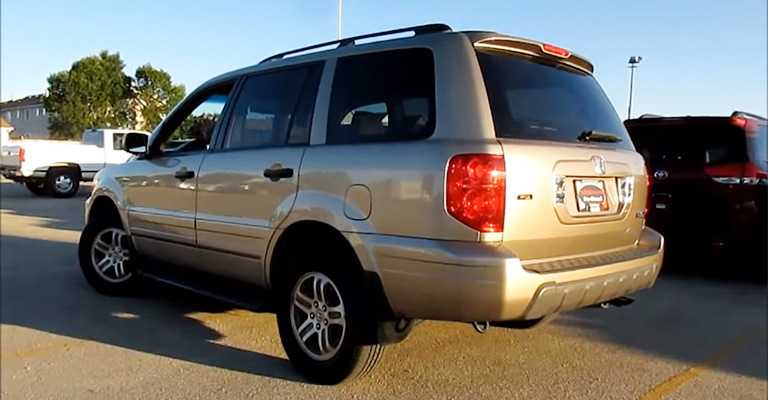
The Honda Pilot is a popular mid-size SUV that was introduced by Honda in 2002 as 2003 model.
While the Pilot has generally received positive reviews for its reliability and performance, there have been some reported problems with the early models.
Some common issues that have been reported by Honda Pilot owners include transmission problems, issues with the fuel system, and problems with the electrical system.
It is important to note that not all Honda Pilots will experience these issues, and that many of these problems can be resolved with proper maintenance and repair.
However, it is always a good idea to be aware of potential problems when considering purchasing a used vehicle, and to have a mechanic perform a thorough inspection before making a purchase.
The First Generation Honda Pilot Problems
It’s hard to find a manufacturer with more reputation for SUVs than Honda.
Having said that, no Honda SUV is perfect, and the Pilot has had a number of problems over the years.
Let’s imagine you’re interested in getting a reliable and long-lasting SUV.
If so, you will need to know the common problems associated with the early Honda Pilot models.
1. Warped Front Brake Rotors May Cause Vibration When Braking
Some Honda Pilot owners have reported experiencing vibration when braking, which can be caused by warped front brake rotors.
This can be caused by a variety of factors, including excessive heat, improper installation, or uneven wear on the rotors.
If the rotors are warped, they may not make proper contact with the brake pads, which can result in vibration and potentially reduce the effectiveness of the brakes. To resolve this issue, the front brake rotors will need to be replaced.
2. Overheated Wire Harness May Cause Low Beams to Fail
Some Honda Pilot owners have reported that the low beam headlights may stop working due to an overheated wire harness.
This can be caused by a variety of factors, including exposure to high temperatures or damaged wiring.
If the wire harness becomes overheated, it can cause the low beams to fail. To fix this issue, the wire harness will need to be replaced.
3. Map Light Does Not Turn On When Opening Door
Some Honda Pilot owners have reported that the map light in the vehicle does not turn on when the door is opened.
This can be caused by a variety of factors, including a faulty door switch, a damaged wiring harness, or a problem with the map light itself.
To fix this issue, the door switch, wiring harness, or map light will need to be replaced, depending on the root cause of the problem.
4. Water Leak Due to Poor Seal at Side Marker Wire Harness
Some Honda Pilot owners have reported water leaks in the vehicle, which can be caused by a poor seal at the side marker wire harness.
This can allow water to enter the vehicle and potentially cause damage to the electrical system or other components.
To fix this issue, the seal at the side marker wire harness will need to be replaced to prevent further water leaks.
5. Knocking Noise From Front End, Stabilizer Link Issues
Some Honda Pilot owners have reported hearing a knocking noise coming from the front end of the vehicle.
This can be caused by issues with the stabilizer links, which are responsible for connecting the suspension to the frame of the vehicle.
If the stabilizer links are damaged or worn out, they may cause a knocking noise when driving. To fix this issue, the stabilizer links will need to be replaced.
6. Noise and Judder on Turns Due to Differential Fluid Breakdown
Some Honda Pilot owners have reported experiencing noise and judder when turning the vehicle, which can be caused by differential fluid breakdown.
The differential is a component that helps distribute power to the wheels and allows them to turn at different speeds.
If the differential fluid breaks down or becomes contaminated, it can cause noise and judder when turning the vehicle. To fix this issue, the differential fluid will need to be drained and replaced.
7. Failed Power Resistor Will Cause Rear Blower Not to Work
Some Honda Pilot owners have reported that the rear blower in their vehicle stops working, which can be caused by a failed power resistor.
The power resistor is responsible for controlling the flow of electricity to the blower motor and helps regulate the speed of the blower.
If the power resistor fails, it can cause the rear blower to stop working. To fix this issue, the power resistor will need to be replaced.
8. Check Engine Light for Running Rough and Difficulty Starting
Some Honda Pilot owners have reported that their vehicle runs rough or has difficulty starting, and the check engine light is illuminated.
This can be caused by a variety of issues, including problems with the spark plugs, fuel system, or emissions control system.
If the check engine light is on and the vehicle is running rough or having difficulty starting, it will need to be diagnosed and repaired by a mechanic.
9. Porous Engine Block Casting May Cause Engine Oil Leaks
Some Honda Pilot owners have reported experiencing engine oil leaks, which can be caused by a porous engine block casting. This can allow oil to seep through the casting and leak out of the engine.
If the engine block casting is porous, it will need to be replaced to fix the oil leak.
10. Engine Idle Speed is Erratic or Engine Stalls
Some Honda Pilot owners have reported that the engine idle speed is erratic or the engine stalls.
This can be caused by a variety of issues, including problems with the fuel system, ignition system, or vacuum leaks.
If the engine idle speed is erratic or the engine stalls, it will need to be diagnosed and repaired by a mechanic.
11. Check Engine and D4 Lights Flashing
Some Honda Pilot owners have reported that the check engine light and D4 light (which indicates the transmission is in the fourth gear position) are flashing simultaneously.
This can be caused by a variety of issues, including problems with the transmission or the engine.
If the check engine and D4 lights are flashing, it will need to be diagnosed and repaired by a mechanic.
12. Check Engine Light Due to Sticking Rocker Pins
Some Honda Pilot owners have reported that the check engine light is illuminated due to sticking rocker pins.
The rocker pins are responsible for connecting the rocker arms (which control the movement of the valves) to the camshafts.
If the rocker pins become stuck, it can cause the check engine light to come on and the engine to run poorly. To fix this issue, the rocker pins will need to be replaced.
13. Shim to Correct Chirping Timing Belt
Some Honda Pilot owners have reported hearing a chirping noise coming from the timing belt area of the engine. This can be caused by the timing belt not being properly tensioned.
To fix this issue, a shim may need to be installed to correct the tension on the timing belt and stop the chirping noise.
14. Check Engine Light and Engine Takes Too Long to Start
Some Honda Pilot owners have reported that the check engine light is illuminated and the engine takes a long time to start.
This can be caused by a variety of issues, including problems with the ignition system, fuel system, or emissions control system.
If the check engine light is on and the engine takes a long time to start, it will need to be diagnosed and repaired by a mechanic.
15. Throttle May Stick Due to Carbon Buildup on Throttle Body
Some Honda Pilot owners have reported that the throttle may stick or become difficult to operate due to carbon buildup on the throttle body.
The throttle body is responsible for controlling the flow of air into the engine and can become clogged with carbon deposits over time.
If the throttle body is clogged with carbon, it can cause the throttle to stick or become difficult to operate. To fix this issue, the throttle body will need to be cleaned or replaced.
Possible Solution
| Problem | Possible Solution |
| Warped Front Brake Rotors May Cause Vibration When Braking | Replace front brake rotors |
| Overheated Wire Harness May Cause Low Beams to Fail | Replace wire harness |
| Map light does not turn on when opening door | Replace door switch, wiring harness, or map light (depending on root cause) |
| Water Leak Due to Poor Seal at Side Marker Wire Harness | Replace seal at side marker wire harness |
| Knocking Noise From Front End, Stabilizer Link Issues | Replace stabilizer links |
| Noise and Judder on Turns Due to Differential Fluid Breakdown | Drain and replace differential fluid |
| Failed power resistor will cause rear blower not to work | Replace power resistor |
| Check Engine Light for Running Rough and Difficulty Starting | Diagnose and repair issue causing check engine light to come on and rough running or difficulty starting |
| Porous Engine Block Casting May Cause Engine Oil Leaks | Replace engine block casting |
| Engine Idle Speed is Erratic or Engine Stalls | Diagnose and repair issue causing engine idle speed to be erratic or engine to stall |
| Check Engine and D4 Lights Flashing | Diagnose and repair issue causing check engine and D4 lights to flash |
| Check engine light due to sticking rocker pins | Replace rocker pins |
| Shim to Correct Chirping Timing Belt | Install shim to correct timing belt tension |
| Check Engine Light and Engine Takes Too Long to Start | Diagnose and repair issue causing check engine light to come on and engine to take a long time to start |
| Throttle May Stick Due to Carbon Buildup on Throttle Body | Clean or replace throttle body |
Honda Pilot Recalls
| Problem | Recall Number |
| Hood Opens While Driving | 21V932000 |
| Low Pressure Fuel Pump In Fuel Tank Fails Causing Engine Stall | 21V215000 |
| Continental Tires Equipped With Vehicle May Fail | 21V165000 |
| Continental Tires Installed From The Factory May Be Defective | 20V725000 |
| Rearview Camera Image Does Not Display | 20V440000 |
| Instrumentation Display And Rearview Camera Display Malfunctions | 20V439000 |
| Certification Label Printing Can Be Wiped Away With Solvent | 20V067000 |
Recall 21V932000:
This recall affects certain Honda Pilot vehicles from the early model year. The issue is that the hood may open while the vehicle is being driven, which can obstruct the driver’s view and increase the risk of a crash. To fix this issue, Honda will replace the hood latch free of charge.
Recall 21V215000:
This recall affects certain Honda Pilot vehicles from the early model year. The issue is that the low pressure fuel pump in the fuel tank may fail, causing the engine to stall while driving. This can increase the risk of a crash. To fix this issue, Honda will replace the fuel pump free of charge.
Recall 21V165000:
This recall affects certain Honda Pilot vehicles from the early model year equipped with Continental tires. The issue is that the tires may be defective and may develop a break in the sidewall or a belt edge separation, which can lead to tread/belt loss and cause a loss of vehicle control.
To fix this issue, Honda will replace the affected tires free of charge.
Recall 20V725000:
This recall affects certain Honda Pilot vehicles from the early model year that were equipped with Continental tires from the factory.
The issue is that the tires may be defective and may develop a break in the sidewall or a belt edge separation, which can lead to tread/belt loss and cause a loss of vehicle control. To fix this issue, Honda will replace the affected tires free of charge.
Recall 20V440000:
This recall affects certain Honda Pilot vehicles from the early model year. The issue is that the rearview camera image may not display properly, which can reduce the driver’s view of what is behind the vehicle and increase the risk of a crash.
To fix this issue, Honda will update the software for the rearview camera free of charge.
Recall 20V439000:
This recall affects certain Honda Pilot vehicles from the early model year. The issue is that the instrumentation display and rearview camera display may malfunction, which can increase the risk of a crash. To fix this issue, Honda will update the software for the display free of charge.
Recall 20V067000:
This recall affects certain Honda Pilot vehicles from the early model year. The issue is that the certification label printing may be wiped away with solvent,
which can make it difficult for the operator to refer to the label information and potentially overload the vehicle, increasing the risk of a crash. To fix this issue, Honda will replace the affected labels free of charge.
Problems and Complaints Sources
https://repairpal.com/problems/honda/pilot
https://www.carcomplaints.com/Honda/Pilot/
All Honda Pilot years we talked –