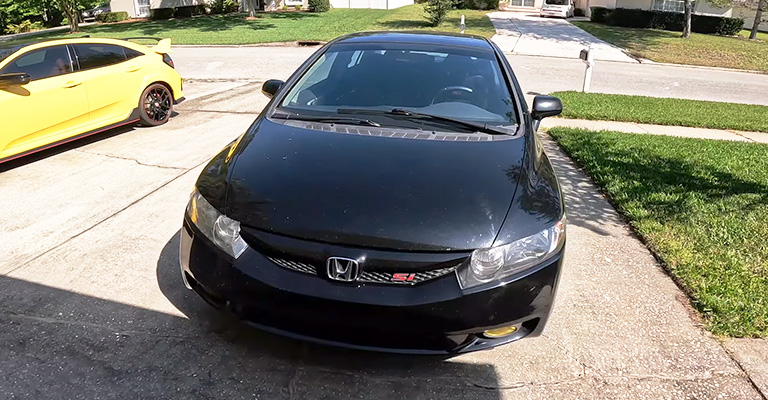
The 2011 Honda Civic is a compact car that was popular among consumers for its fuel efficiency, reliability, and stylish design. However, like all vehicles, the 2011 Honda Civic is not without its problems.
Some common issues reported by owners of the 2011 Honda Civic include transmission problems, engine issues, and problems with the suspension and steering. Other issues that have been reported include problems with the electrical system, interior components, and body panels.
In this introduction, we will provide a brief overview of some of the common problems experienced by owners of the 2011 Honda Civic. It is important to note that the frequency and severity of these problems may vary depending on the individual vehicle and driving conditions.
2011 Honda Civic Problems
1. Airbag Light Due to Failed Occupant Position Sensor
This issue is caused by a faulty sensor that is responsible for detecting the position of the front seat passenger and determining whether or not to deploy the airbag in the event of a crash. When the sensor fails,
the airbag light on the dashboard will illuminate, indicating a problem with the system. This issue can be caused by a variety of factors, including a manufacturing defect, physical damage, or exposure to moisture.
2. Bad Engine Mounts May Cause Vibration, Roughness, and Rattle
The engine mounts on a vehicle are responsible for holding the engine in place and isolating it from the rest of the car. When the engine mounts fail,
it can cause a variety of problems, including vibration, roughness, and a rattle or knocking noise. This issue can be caused by wear and tear, as well as exposure to extreme temperatures or driving conditions.
3. Power Window Switch May Fail
The power window switch is responsible for controlling the operation of the power windows in a vehicle. When the switch fails, it can cause the windows to stop working or to become stuck in a particular position.
This issue can be caused by a variety of factors, including wear and tear, moisture, or physical damage. It is important to have this issue addressed as soon as possible to avoid potential problems with the windows.
4. Wipers Won’t Park Due to Windshield Wiper Motor Failure
The windshield wiper motor is responsible for moving the wipers back and forth across the windshield to clear away rain, snow, and other debris. When the wiper motor fails, it can cause the wipers to stop working or to fail to park properly when they are turned off.
This issue can be caused by a variety of factors, including wear and tear, exposure to moisture, or physical damage.
It is important to have this issue addressed as soon as possible to ensure that the wipers are functioning properly and to avoid potential problems with visibility while driving in poor weather conditions.
5. Low rumbling sound when in Reverse = Bad Engine Mounts
As mentioned previously, the engine mounts on a vehicle are responsible for holding the engine in place and isolating it from the rest of the car. When the engine mounts fail, it can cause a variety of problems, including vibration, roughness, and a rattle or knocking noise.
This issue can be particularly noticeable when the vehicle is in reverse, as the engine will be subjected to additional stress due to the change in direction of movement. It is important to have this issue addressed as soon as possible to avoid potential damage to the engine and other components.
6. Door Lock May be Sticky and Not Work Due to Worn Door Lock Tumblers
The door lock tumblers are responsible for turning the key in the lock and allowing the door to be opened or closed. When the tumblers become worn, it can cause the door lock to become sticky or difficult to turn, or to fail to work altogether.
This issue can be caused by a variety of factors, including wear and tear, exposure to moisture, or physical damage. It is important to have this issue addressed as soon as possible to ensure that the door lock is functioning properly and to avoid potential problems with accessing the vehicle.
7. Problem with the IMA Light on
The IMA (Integrated Motor Assist) light is a warning light that is located on the dashboard of some Honda Civic models. It is typically illuminated when there is a problem with the IMA system,
which is a hybrid technology that combines the power of an internal combustion engine with that of an electric motor to improve fuel efficiency. When the IMA light comes on, it may indicate a variety of issues, including a problem with the battery, the electric motor, or the charging system.
It is important to have this issue addressed as soon as possible to ensure that the IMA system is functioning properly and to avoid potential problems with the vehicle.
8. Warped Front Brake Rotors May Cause Vibration When Braking
The brake rotors on a vehicle are responsible for providing a surface for the brake pads to press against, which generates the friction needed to slow down or stop the vehicle. When the rotors become warped,
it can cause a vibration when the brakes are applied, which can be unsettling for the driver and may indicate a problem with the braking system. This issue can be caused by a variety of factors, including wear and tear, exposure to extreme temperatures, or driving conditions.
It is important to have this issue addressed as soon as possible to ensure that the brakes are functioning properly and to avoid potential problems with stopping the vehicle.
9. Engine Leaking Oil
Engine oil is an essential component of a vehicle’s lubrication system, and it is important to maintain the proper level of oil in the engine to ensure that it is functioning properly.
When the engine is leaking oil, it can cause a variety of problems, including reduced performance, increased fuel consumption, and potential damage to the engine. This issue can be caused by a variety of factors, including wear and tear,
faulty seals or gaskets, or physical damage. It is important to have this issue addressed as soon as possible to avoid potential problems with the engine and to ensure that it is functioning properly.
Possible Solution
| Problem | Possible Solution |
| Airbag Light Due to Failed Occupant Position Sensor | Replace the faulty sensor or have the sensor repaired |
| Bad Engine Mounts May Cause Vibration, Roughness, and Rattle | Replace the faulty engine mounts |
| Power Window Switch May Fail | Replace the faulty power window switch |
| Wipers Won’t Park Due to Windshield Wiper Motor Failure | Replace the faulty wiper motor |
| Low rumbling sound when in Reverse = Bad Engine Mounts | Replace the faulty engine mounts |
| Door Lock May be Sticky and Not Work Due to Worn Door Lock Tumblers | Replace the worn door lock tumblers |
| Problem with the IMA Light on | Have the IMA system checked and repaired if necessary |
| Warped Front Brake Rotors May Cause Vibration When Braking | Replace the warped brake rotors |
| Engine Leaking Oil | Identify and repair the source of the oil leak |
2011 Honda Civic Recalls
| Recall | Description | Affected Models |
| 19V502000 | Newly Replaced Passenger Air Bag Inflator Ruptures During Deployment Spraying Metal Fragments | 10 models |
| 19V378000 | Replacement Passenger Frontal Air Bag Inflator Improperly Installed During Previous Recall | 10 models |
| 18V661000 | Passenger Air Bag Inflator Ruptures During Deployment Spraying Metal Fragments | 9 models |
| 18V268000 | Front Passenger Air Bag Inflator Potentially Installed Improperly During Replacement | 10 models |
| 18V042000 | Passenger Air Bag Inflator Ruptures During Deployment Spraying Metal Fragments | 9 models |
| 17V545000 | Replacement Air Bag Inflator For Previous Recall May Have Been Improperly Installed | 8 models |
| 17V030000 | Passenger Air Bag Inflator Ruptures During Deployment Spraying Metal Fragments | 9 models |
| 16V346000 | Passenger Frontal Air Bag Inflator Ruptures On Deployment | 9 models |
| 11V176000 | Possible Fuel Leak After Rollover Type Crash | 1 model |
19V502000:
This recall affects certain 2011 Honda Civic models that were previously recalled for a faulty passenger airbag inflator. It has been reported that some of the newly replaced inflators may rupture during deployment, spraying metal fragments into the vehicle’s cabin.
This can pose a serious risk of injury to the driver and other occupants of the vehicle.
19V378000:
This recall affects certain 2011 Honda Civic models that were previously recalled for a faulty passenger frontal airbag inflator.
It has been reported that some of the replacement inflators may have been improperly installed during the previous recall, which may cause the airbag to deploy improperly in the event of a crash.
This can increase the risk of injury to the passenger.
18V661000:
This recall affects certain 2011 Honda Civic models that were equipped with a faulty passenger airbag inflator. It has been reported that the inflator may rupture during deployment,
spraying metal fragments into the vehicle’s cabin. This can pose a serious risk of injury to the driver and other occupants of the vehicle.
18V268000:
This recall affects certain 2011 Honda Civic models that were equipped with a front passenger airbag inflator that may have been improperly installed during a previous replacement.
It has been reported that an incorrectly installed airbag may deploy improperly in the event of a crash, increasing the risk of injury to the passenger.
18V042000:
This recall affects certain 2011 Honda Civic models that were equipped with a faulty passenger airbag inflator. It has been reported that the inflator may rupture during deployment,
spraying metal fragments into the vehicle’s cabin. This can pose a serious risk of injury to the driver and other occupants of the vehicle.
17V545000:
This recall affects certain 2011 Honda Civic models that were previously recalled for a faulty passenger frontal airbag inflator. It has been reported that some of the replacement inflators may have been improperly installed during the previous recall,
which may cause the airbag to deploy improperly in the event of a crash. This can increase the risk of injury to the passenger.
17V030000:
This recall affects certain 2011 Honda Civic models that were equipped with a faulty passenger airbag inflator. It has been reported that the inflator may rupture during deployment, spraying metal fragments into the vehicle’s cabin.
This can pose a serious risk of injury to the driver and other occupants of the vehicle
16V346000:
This recall affects certain 2011 Honda Civic models that were equipped with a passenger frontal airbag inflator that may rupture during deployment.
It has been reported that the inflator may rupture, spraying metal fragments into the vehicle’s cabin. This can pose a serious risk of injury to the driver and other occupants of the vehicle.
11V176000:
This recall affects certain 2011 Honda Civic models that may experience a fuel leak after a rollover type crash. It has been reported that a fuel leak, in the presence of an ignition source, could result in a fire. This can pose a serious risk of injury or death to the vehicle’s occupants.
Problems and Complaints Sources
https://repairpal.com/2011-honda-civic/problems
https://www.carcomplaints.com/Honda/Civic/2011/
All Honda Civic years we talked –