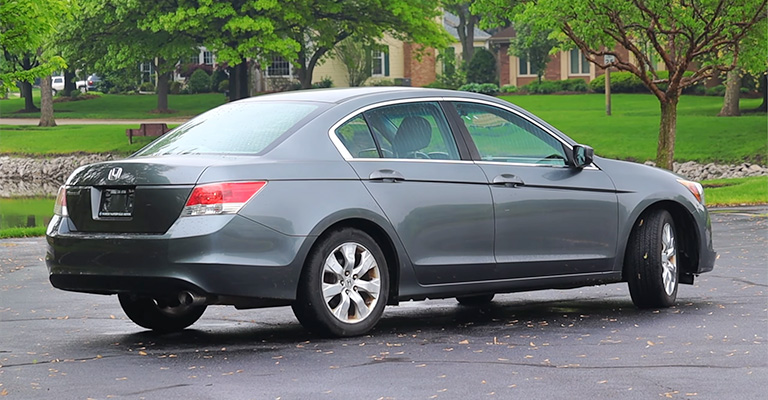
The 2010 Honda Accord is a popular mid-size sedan that was known for its reliability and fuel efficiency. However, like all vehicles, it is not without its problems. Some common issues that have been reported by 2010 Honda Accord owners include transmission issues, engine problems, and suspension issues.
Other problems that have been reported include issues with the electrical system, air conditioning, and fuel system. In this article, we will take a closer look at some of the most common problems that have been reported with the 2010 Honda Accord and discuss potential solutions.
It is important to note that not all 2010 Honda Accords will experience these issues, and many owners have reported few if any, problems with their vehicles.
2010 Honda Accord Problems
1. “No Start” Due to Ignition Switch Failure
This problem is characterized by the vehicle not starting or turning over when the ignition key is turned. It is caused by a failure in the ignition switch, which can be caused by a variety of factors such as wear and tear, exposure to moisture, or electrical problems.
2. Check Engine and D4 Lights Flashing
The check engine light is a warning indicator that alerts the driver to a problem with the vehicle’s engine or emissions system. When it is accompanied by the D4 light flashing, it can indicate a problem with the transmission.
This problem can be caused by a variety of issues, such as a faulty transmission control module or a malfunctioning transmission solenoid.
3. Radio/Climate Control Display May Go Dark
Some 2010 Honda Accord owners have reported that the display for the radio and climate control system will occasionally go dark, making it difficult or impossible to control these systems.
This problem is typically caused by a failure in the display unit itself or a problem with the wiring that connects it to the vehicle’s electrical system.
4. Faulty Door Lock Actuator May Cause Power Door Locks to Activate Intermittently
The door lock actuator is a component that controls the operation of the power door locks. If it fails, it can cause the door locks to activate intermittently or not at all.
This problem can be caused by a variety of issues, such as a malfunctioning actuator, a problem with the wiring, or a problem with the door lock switch.
5. Warped Front Brake Rotors May Cause Vibration When Braking
Brake rotors are a critical component of a vehicle’s braking system, and they can become warped or damaged over time due to normal wear and tear or exposure to extreme heat.
If the front brake rotors on a 2010 Honda Accord become warped, it can cause a vibration or shaking sensation when the brakes are applied.
This problem is typically caused by the rotors becoming overheated, which can be caused by a variety of factors such as heavy braking, driving in mountainous terrain, or driving with a heavy load.
6. Air Conditioning Blowing Warm Air
If the air conditioning system in a 2010 Honda Accord is blowing warm air instead of cold air, it can be a sign of a problem with the system. This problem can be caused by a variety of issues, such as a leak in the refrigerant line, a malfunctioning compressor, or a problem with the air conditioning system’s controls.
7. Front Compliance Bushings May Crack
The compliance bushings in a vehicle’s suspension system help to absorb shock and vibrations, and they can become damaged or worn over time.
If the front compliance bushings on a 2010 Honda Accord crack, it can cause a variety of problems, such as a rough ride, uneven tire wear, and handling issues. This problem is typically caused by normal wear and tear or exposure to extreme temperatures.
8. Driver’s Door Latch Assembly May Break Internally
The door latch assembly is a critical component of a vehicle’s door system, and it can fail if it becomes damaged or worn. If the driver’s door latch assembly on a 2010 Honda Accord breaks internally, it can cause the door to become stuck in the closed or open position.
This problem is typically caused by normal wear and tear or exposure to extreme temperatures.
9. Bad Engine Mounts May Cause Vibration, Roughness, and Rattle
The engine mounts in a vehicle help to secure the engine to the frame and absorb vibrations. If the engine mounts on a 2010 Honda Accord become damaged or worn, it can cause a variety of problems, such as vibration, roughness, and rattle.
This problem is typically caused by normal wear and tear or exposure to extreme temperatures.
10. Problems Shifting Into 3rd Gear
Some 2010 Honda Accord owners have reported having difficulty shifting into 3rd gear or experiencing grinding or slipping when trying to shift into this gear.
This problem can be caused by a variety of issues, such as a malfunctioning transmission, a problem with the transmission’s control system, or a problem with the transmission’s synchromesh.
11. Bad Rear Hub/Bearing Unit
The hub and bearing unit is a critical component of a vehicle’s suspension and steering system, and it can become damaged or worn over time. If the rear hub/bearing unit on a 2010 Honda Accord becomes faulty, it can cause a variety of problems, such as noise, vibration, and handling issues.
This problem is typically caused by normal wear and tear or exposure to extreme temperatures.
12. Plugged Moon Roof Drains May Cause Water Leak
The moon roof on a 2010 Honda Accord is designed to drain water away from the vehicle’s interior, but if the drains become clogged, it can cause water to leak into the vehicle.
This problem is typically caused by debris or leaves blocking the drains, and it can be resolved by clearing the drains and making sure they are properly functioning.
13. Water Leak Due to Plugged AC Drain
The air conditioning system in a 2010 Honda Accord is designed to drain moisture away from the vehicle’s interior, but if the AC drain becomes clogged, it can cause water to leak into the vehicle.
This problem is typically caused by debris or leaves blocking the drain, and it can be resolved by clearing the drain and making sure it is properly functioning.
14. Failed Vacuum Brake Booster Hose May Cause Brake to Feel Hard
The brake booster in a vehicle uses vacuum pressure to assist the driver in applying the brakes, and it is connected to the brake pedal via a hose. If the hose becomes damaged or fails, it can cause the brake pedal to feel hard or unresponsive.
This problem is typically caused by normal wear and tear or exposure to extreme temperatures.
15. ABS Modulator May Leak Air and Cause Low Brake Pedal
The ABS (Anti-lock Brake System) modulator is a critical component of a vehicle’s braking system, and it helps to control the brakes during emergency stops.
If the modulator becomes damaged or fails, it can cause a leak in the brake system, which can result in a low brake pedal. This problem is typically caused by normal wear and tear or exposure to extreme temperatures.
16. Check Engine Light and Engine Takes too Long to Start
Some 2010 Honda Accord owners have reported that the check engine light comes on and the engine takes longer than normal to start. This problem can be caused by a variety of issues, such as a faulty spark plug, a malfunctioning fuel pump, or a problem with the engine’s control system.
17. Engine Leaking Oil
If the engine in a 2010 Honda Accord is leaking oil, it can be a sign of a problem with the engine or its seals. This problem can be caused by a variety of issues, such as a worn or damaged oil seal, a problem with the engine’s gaskets, or a problem with the engine’s oil system.
Possible Solutions
| Problem | Possible Solutions |
| “No Start” Due to Ignition Switch Failure | Replace the ignition switch |
| Check Engine and D4 Lights Flashing | Check and repair transmission control module, transmission solenoid, or other transmission components as needed |
| Radio/Climate Control Display May Go Dark | Replace the display unit or repair the wiring connecting it to the vehicle’s electrical system |
| Faulty Door Lock Actuator May Cause Power Door Locks to Activate Intermittently | Replace the door lock actuator, repair the wiring, or repair the door lock switch as needed |
| Warped Front Brake Rotors May Cause Vibration When Braking | Replace the front brake rotors |
| Air Conditioning Blowing Warm Air | Repair or replace any damaged or malfunctioning components of the air conditioning system |
| Front Compliance Bushings May Crack | Replace the front compliance bushings |
| Driver’s Door Latch Assembly May Break Internally | Replace the door latch assembly |
| Bad Engine Mounts May Cause Vibration, Roughness, and Rattle | Replace the engine mounts |
| Problems Shifting Into 3rd Gear | Check and repair the transmission, transmission control system, or transmission synchromesh as needed |
| Bad Rear Hub/Bearing Unit | Replace the rear hub/bearing unit |
| Plugged Moon Roof Drains May Cause Water Leak | Clear the moon roof drains and make sure they are functioning properly |
| Water Leak Due to Plugged AC Drain | Clear the AC drain and make sure it is functioning properly |
| Failed Vacuum Brake Booster Hose May Cause Brake to Feel Hard | Replace the vacuum brake booster hose |
| ABS Modulator May Leak Air and Cause Low Brake Pedal | Replace the ABS modulator |
| Check Engine Light and Engine Takes too Long to Start | Check and repair the spark plug, fuel pump, or engine control system as needed |
| Engine Leaking Oil | Repair or replace any damaged or malfunctioning components of the engine or oil system |
2010 Honda Accord Recalls
| Recall | Description | Affected Models | Date |
| Recall 19V502000 | Newly Replaced Passenger Air Bag Inflator Ruptures During Deployment Spraying Metal Fragments | 10 models | Jul 1, 2019 |
| Recall 19V378000 | Replacement Passenger Frontal Air Bag Inflator Improperly Installed During Previous Recall | 10 models | May 17, 2019 |
| Recall 18V661000 | Passenger Air Bag Inflator Ruptures During Deployment Spraying Metal Fragments | 9 models | Sep 28, 2018 |
| Recall 18V268000 | Front Passenger Air Bag Inflator Potentially Installed Improperly During Replacement | 10 models | May 1, 2018 |
| Recall 18V042000 | Passenger Air Bag Inflator Ruptures During Deployment Spraying Metal Fragments | 9 models | Jan 16, 2018 |
| Recall 17V545000 | Replacement Air Bag Inflator For Previous Recall May Have Been Improperly Installed | 8 models | Sep 6, 2017 |
| Recall 17V030000 | Passenger Air Bag Inflator Ruptures During Deployment Spraying Metal Fragments | 9 models | Jan 13, 2017 |
| Recall 16V346000 | Passenger Frontal Air Bag Inflator Ruptures On Deployment | 9 models | May 24, 2016 |
| Recall 16V056000 | Air Bags May Not Deploy In An Accident | 1 model | Feb 2, 2016 |
| Recall 10V402000 | The Passenger Airbag May Not Deploy as Designed | 2 models | Sep 10, 2010 |
| Recall 11V395000 | Automatic Transmission Bearing Failure | 3 models | Aug 4, 2011 |
| Recall 11V004000 | The Engine May Stall Due to Faulty Electrical Connection | 2 models | Jan 10, 2011 |
| Recall 10V640000 | Front Suspension Bolts Not Secure | 2 models | Dec 22, 2010 |
Recall 19V502000:
This recall affects 2010 Honda Accord models with certain passenger air bag inflators that were replaced during previous recalls. The inflators may rupture during deployment, spraying metal fragments and potentially causing serious injury or death to the driver or other occupants.
Recall 19V378000:
This recall affects 2010 Honda Accord models with certain passenger frontal air bag inflators that were replaced during previous recalls. The inflators may have been improperly installed, which may cause them to not properly deploy in the event of a crash, increasing the risk of injury to the passenger.
Recall 18V661000:
This recall affects 2010 Honda Accord models with certain passenger air bag inflators. The inflators may rupture during deployment, spraying metal fragments and potentially causing serious injury or death to the driver or other occupants.
Recall 18V268000:
This recall affects 2010 Honda Accord models with certain front passenger air bag inflators that were replaced during previous recalls. The inflators may have been improperly installed, which may cause them to deploy improperly in the event of a crash, increasing the risk of injury to the passenger.
Recall 18V042000:
This recall affects 2010 Honda Accord models with certain passenger air bag inflators. The inflators may rupture during deployment, spraying metal fragments and potentially causing serious injury or death to the driver or other occupants.
Recall 17V545000:
This recall affects 2010 Honda Accord models with certain replacement passenger frontal air bag inflators that were installed during previous recalls. The inflators may have been improperly installed, which may cause them to deploy improperly in the event of
Problems and Complaints Sources
https://repairpal.com/2010-honda-accord/problems
All Honda Accord years we talked –