The Honda D15B7 engine is a 1.5L SOHC (single overhead cam) engine produced by Honda Motors for various models of vehicles. Known for its fuel efficiency and reliability, the D15B7 has been a popular choice for compact cars and hatchbacks.
In this blog post, we will delve into the specifications and performance of the Honda D15B7 engine. We will also explore the vehicles that have used this engine and provide an overall review of its performance.
Our purpose is to provide a comprehensive guide for anyone interested in the Honda D15B7 engine, including car enthusiasts and potential buyers.
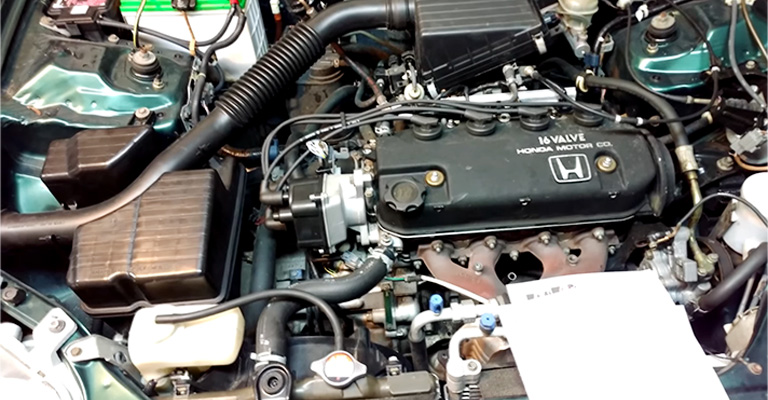
Honda D15B7 Engine Overview
The Honda D15B7 engine is a 1.5-liter, 4-cylinder engine produced by Honda Motors.
It was manufactured from 1992 to 2000 and was widely used in compact cars and hatchbacks, including the 1992-1995 Honda Civic GLi (Australian model).
Along with used in 1992-1995 Honda Civic DX/LX, 1992-1995 Honda Civic Cx (Canadian Market), 1992-1995 Honda Civic LSi Coupé (European Market), 1993-1995 Honda Civic Del Sol S, and the 1998-2000 Honda City SX8.
The D15B7 engine has a displacement of 1,493 cc and a bore and stroke of 75 mm x 84.5 mm. It has a compression ratio of 9.2:1 and produces 102 horsepower at 5900 RPM and 98 lb-ft of torque at 5000 RPM.
The engine features a 16-valve SOHC (single overhead cam) configuration with four valves per cylinder and utilizes OBD-1 MPFI (multi-point fuel injection) for fuel control.
The D15B7 has a redline of 6500 RPM and a cam gear with 38 teeth. The piston code is PM3 and the engine management system is controlled by an ECU with the code P06. The head codes for the D15B7 engine are PM 9–6 and PM9–8.
In terms of performance, the Honda D15B7 engine is known for its fuel efficiency and reliability. It provides good power and torque for a 1.5-liter engine, making it a popular choice for compact vehicles.
The engine is also relatively easy to modify and upgrade, which makes it a popular choice among car enthusiasts.
Overall, the Honda D15B7 engine is a well-rounded and reliable engine that provides good performance and fuel efficiency. Its compact size and versatility make it a popular choice for compact cars and hatchbacks.
Whether you are a car enthusiast looking to modify your engine or a potential buyer searching for a reliable and efficient engine, the Honda D15B7 is definitely worth considering
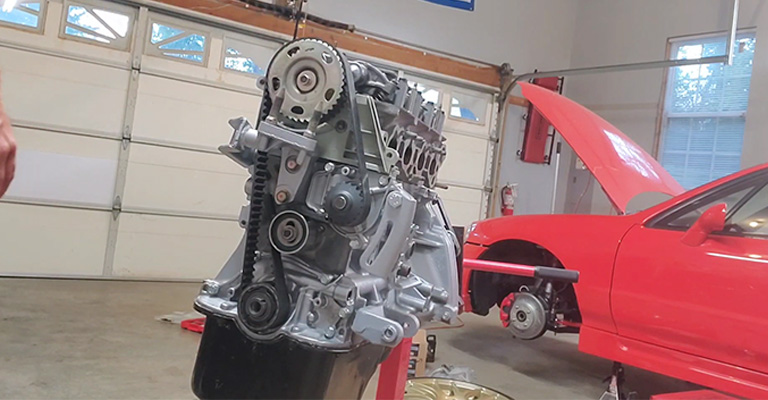
Specification Table for D15B7 Engine
| Specification | Value |
|---|---|
| Displacement | 1,493 cc (91.1 cu in) |
| Bore and Stroke | 75 mm × 84.5 mm (2.95 in × 3.33 in) |
| Compression Ratio | 9.2:1 |
| Power | 102 hp (76.1 kW, 103 PS) at 5900 RPM |
| Torque | 98 lb·ft (13.5 kg/m, 133 Nm) at 5000 RPM |
| Valvetrain | 16-valve SOHC (four valves per cylinder) |
| Redline | 6500 RPM |
| Cam Gear | 38 tooth |
| Piston Code | PM3 |
| Fuel Control | OBD-1 MPFI |
| ECU Code | P06 |
| Head Codes | PM 9–6, PM9–8 |
Source: Wikipedia
Comparison With Other D15 Family Engine Like D15B1 and D15B2
The Honda D15B7 engine is part of the Honda D15 engine family, which includes other engines such as the D15B1 and D15B2. Here is a comparison of the key specifications of these engines:
| Specification | D15B7 | D15B1 | D15B2 |
|---|---|---|---|
| Displacement | 1,493 cc | 1,493 cc | 1,493 cc |
| Bore and Stroke | 75 mm × 84.5 mm | 75 mm × 84.5 mm | 75 mm × 84.5 mm |
| Compression Ratio | 9.2:1 | 9.2:1 | 9.0:1 |
| Power | 102 hp at 5900 RPM | 96 hp at 5800 RPM | 100 hp at 6000 RPM |
| Torque | 98 lb·ft at 5000 RPM | 95 lb·ft at 5000 RPM | 98 lb·ft at 5000 RPM |
| Valvetrain | 16-valve SOHC | 16-valve SOHC | 16-valve SOHC |
| Fuel Control | OBD-1 MPFI | OBD-1 MPFI | OBD-1 MPFI |
As you can see, the D15B7 and D15B1 engines are very similar in terms of specifications, with the D15B7 having slightly more power and torque.
The D15B2 engine has a slightly lower compression ratio but the same power and torque as the D15B7 engine.
In terms of performance, the D15B7 engine is known for its reliability and fuel efficiency, which is similar to the D15B1 and D15B2 engines.
All three engines are popular choices for compact cars and hatchbacks due to their compact size and versatility. However, the D15B7 is often considered the most powerful and reliable engine in the D15 engine family
Head and Valvetrain Specs D15B7
The Honda D15B7 engine features a 16-valve SOHC (single overhead camshaft) valvetrain design, with four valves per cylinder. The head codes for the D15B7 engine are PM 9–6 and PM9–8.
The valvetrain of the D15B7 engine is designed to provide maximum airflow into the engine for improved performance and fuel efficiency. The 16-valve design allows for larger valve openings, which results in improved air intake and exhaust flow, leading to increased horsepower and torque.
The SOHC design is simple, reliable, and cost-effective, making it an ideal choice for compact engines like the D15B7. The use of four valves per cylinder allows for a more efficient combustion process, further improving engine performance.
Overall, the head and valvetrain design of the Honda D15B7 engine provides reliable performance and efficiency, making it a popular choice for compact vehicles
The Technologies Used in
The Honda D15B7 engine is equipped with a number of technologies that enhance its performance and efficiency. Some of the key technologies used in the D15B7 engine include:
1. OBD-1 MPFI (Multi-point Fuel Injection)
This fuel injection system is designed to provide precise fuel delivery to the engine, resulting in improved performance, fuel efficiency, and emissions.
2. ECU (Engine Control Unit)
The D15B7 engine uses an ECU (P06 code) to manage the engine’s performance, monitoring variables such as engine speed, throttle position, and airflow to make real-time adjustments for optimal performance.
3. SOHC Valvetrain Design
The use of a SOHC valvetrain design allows for a compact and lightweight engine design, resulting in improved performance and fuel efficiency.
4. Four Valves Per Cylinder
The use of four valves per cylinder allows for improved air intake and exhaust flow, resulting in increased horsepower and torque.
5. High Compression Ratio
The 9.2:1 compression ratio of the D15B7 engine enhances engine efficiency, providing more power from every combustion cycle.
These technologies, combined with the high-performance specifications of the D15B7 engine, make it a popular choice for compact and efficient vehicles.
Performance Review
The Honda D15B7 engine provides reliable and efficient performance, making it a popular choice for compact vehicles.
With a displacement of 1,493 cc and a bore and stroke of 75 mm x 84.5 mm, the D15B7 engine delivers a power output of 102 horsepower at 5900 RPM and 98 lb-ft of torque at 5000 RPM.
One of the key strengths of the D15B7 engine is its high-compression ratio of 9.2:1, which enhances engine efficiency and provides more power from every combustion cycle.
The OBD-1 MPFI fuel injection system and the ECU (Engine Control Unit) further improve performance and efficiency by providing precise fuel delivery and real-time engine management.
The 16-valve SOHC valvetrain design of the D15B7 engine provides improved airflow into the engine, resulting in increased horsepower and torque. The use of four valves per cylinder further improves engine efficiency and performance.
In terms of redline, the D15B7 engine has a redline of 6500 RPM, providing a good balance between performance and reliability.
The 38 tooth cam gear and the piston code PM3 add to the high-performance capabilities of the D15B7 engine.
The combination of high-performance specifications, advanced technologies, and a compact design make the D15B7 engine a popular choice for those seeking an efficient and powerful engine for their compact vehicle.
What Car Did the D15B7 Come in?
The Honda D15B7 engine was originally manufactured for use in several Honda vehicles including the 1992-1995 Honda Civic GLi (Australian model), the 1992-1995 .
Honda Civic DX/LX, the 1992-1995 Honda Civic Cx (Canadian Market), the 1992-1995 Honda Civic LSi Coupé (European Market), the 1993-1995 Honda Civic Del Sol S, and the 1998-2000 Honda City SX8.
This engine was known for its reliable and efficient performance, making it a popular choice for compact vehicles.
The combination of high-performance specifications, advanced technologies, and a compact design make the D15B7 engine a popular choice for those seeking an efficient and powerful engine for their compact vehicle.
D15B7 Engine Most Common Problems
The most common problems with the D15B7 engine include:
1. Engine oil leaks
A common problem is oil leaks around the timing cover, rear main seal, and valve cover gasket.
2. Low compression
The engine may lose compression over time due to worn-out pistons, valves, or cylinder walls.
3. Ignition system issues
The ignition system may fail, causing misfires and loss of power. This can be caused by worn spark plugs, bad spark plug wires, or a faulty distributor.
4. Fuel system issues
The fuel system may develop problems, such as clogged fuel injectors or a failed fuel pump.
5. Engine overheating
Overheating can occur due to a clogged radiator, a failing water pump, or a failing thermostat.
6. Timing belt issues
The timing belt may stretch or break, causing engine damage if not replaced in a timely manner.
It’s important to regularly maintain and service the engine to prevent these issues and keep it running smoothly.
D15B7 Upgrades and Modifications Can Be Made
1. Engine Swap
Swapping the D15B7 engine for a higher performance engine, such as a B16 or B18 engine, can greatly increase horsepower and torque.
2. Camshaft Upgrade
Installing a performance camshaft can improve engine efficiency, increase horsepower and torque, and enhance the engine’s overall performance.
3. Throttle Body Upgrade
Replacing the factory throttle body with a larger one can increase air flow and improve engine breathing, resulting in increased horsepower and torque.
4. Intake Manifold Upgrade
Replacing the factory intake manifold with a performance aftermarket one can improve air flow, increase horsepower, and enhance engine performance.
5. Exhaust System Upgrade
Installing a high-performance exhaust system can improve engine efficiency, increase horsepower and torque, and enhance the engine’s overall performance.
6. Fuel System Upgrade
Installing a high-performance fuel system can improve fuel efficiency and increase horsepower and torque.
7. Engine Management System Upgrade
Installing a high-performance engine management system, such as a Hondata, can optimize engine performance and improve horsepower and torque.
8. Suspension Upgrade
Installing performance suspension components can improve handling, traction, and overall performance of the vehicle.
9. Brake Upgrade
Upgrading the brakes can improve braking performance and increase overall safety of the vehicle.
10. Drivetrain Upgrade
Upgrading the drivetrain, such as installing a performance clutch, can improve acceleration and overall performance of the vehicle.
Other D Series Engines-