The 2013 Honda Pilot is a popular mid-sized SUV that has received praise for its spacious interior and reliable performance. However, like any vehicle, it is not immune to problems.
Some common issues reported by 2013 Honda Pilot owners include transmission issues, fuel pump failure, and problems with the power steering system.
It is important for owners to stay up-to-date on regularly scheduled maintenance and to address any issues as soon as they arise in order to ensure the longevity and safety of their vehicle.
The 8 Most Common Problems With 2013 Honda Pilots
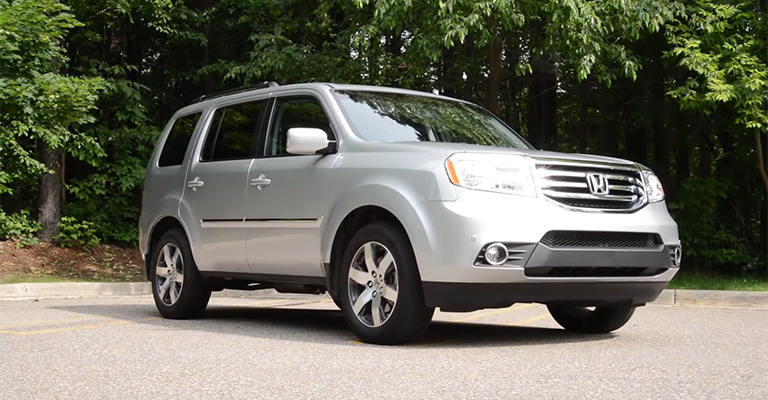
The 2013 Honda Pilot has a number of issues and complaints that you should be aware of before making a purchase.
These issues include transmission problems, engine overheating, and electrical issues among others.
It is important to research these issues before purchasing to ensure you are getting a reliable vehicle.
1. Warped Front Brake Rotors May Cause Vibration When Braking
This issue occurs when the front brake rotors become warped, which can cause the brakes to vibrate when they are applied.
This can be a dangerous issue as it can make it difficult to control the vehicle, especially when braking at high speeds.
The cause of this issue is often due to improper brake pad installation, excessive heat, or hard braking. To fix this problem, the front brake rotors will need to be replaced.
2. Overheated Wire Harness May Cause Low Beams to Fail
This issue occurs when the wire harness that controls the low beam headlights overheats and fails, causing the headlights to stop working.
This can be a safety hazard as it can make it difficult to see when driving at night. The cause of this issue is often due to faulty wiring or a faulty relay. To fix this problem, the wire harness will need to be repaired or replaced.
3. Knocking Noise From Front End, Stabilizer Link Issues
This issue occurs when there is a knocking noise coming from the front end of the vehicle, which is often caused by a problem with the stabilizer links.
The stabilizer links connect the suspension to the frame of the vehicle and help to keep it stable.
When they become worn or damaged, they can cause a knocking noise and can also cause problems with the handling of the vehicle. To fix this problem, the stabilizer links will need to be replaced.
4. Check Engine Light for Running Rough and Difficulty Starting
This issue occurs when the check engine light illuminates and the vehicle is experiencing problems starting or running rough.
The cause of this issue can be due to a variety of problems, such as a faulty sensor, fuel pump, ignition system, or oxygen sensor.
To fix this problem, a diagnostic test will need to be performed to determine the root cause of the issue and the appropriate repairs can be made.
5. Engine Idle Speed is Erratic or Engine Stalls
This issue occurs when the engine idle speed becomes erratic or the engine stalls, which can be caused by a variety of issues such as a faulty sensor, air flow meter, or ignition system.
To fix this problem, a diagnostic test will need to be performed to determine the root cause of the issue and the appropriate repairs can be made.
6. Check Engine and D4 Lights Flashing
This issue occurs when the check engine light and the D4 light, which indicates a problem with the transmission, are flashing simultaneously.
This can be a serious issue as it can indicate a problem with the transmission that needs to be addressed immediately.
The cause of this issue can be due to a faulty sensor, low transmission fluid, or a problem with the transmission itself.
To fix this problem, a diagnostic test will need to be performed to determine the root cause of the issue and the appropriate repairs can be made.
7. Shim to Correct Chirping Timing Belt
This issue occurs when the timing belt is making a chirping noise and requires a shim to correct the problem.
The timing belt is a critical component of the engine as it synchronizes the movement of the engine’s valves with the movement of the pistons.
When the timing belt becomes worn or damaged, it can cause problems with the engine’s performance and can even cause the engine to fail.
To fix this problem, the timing belt will need to be replaced and a shim may be needed to correct the issue.
8. Check Engine Light and Engine Takes too Long to Start
This issue occurs when the check engine light illuminates and the engine takes too long to start.
The cause of this issue can be due to a variety of problems such as a faulty sensor, fuel pump, ignition system, or oxygen sensor.
To fix this problem, a diagnostic test will need to be performed to determine the root cause of the issue and the appropriate repairs can be made.
Possible Solution
| Problem | Possible Solution |
| Warped Front Brake Rotors May Cause Vibration | Replace front brake rotors |
| Overheated Wire Harness May Cause Low Beams to Fail | Repair or replace wire harness |
| Knocking Noise From Front End, Stabilizer Link Issues | Replace stabilizer links |
| Check Engine Light for Running Rough and Difficulty Starting | Perform diagnostic test and make appropriate repairs |
| Engine Idle Speed is Erratic or Engine Stalls | Perform diagnostic test and make appropriate repairs |
| Check Engine and D4 Lights Flashing | Perform diagnostic test and make appropriate repairs |
| Shim to Correct Chirping Timing Belt | Replace timing belt and use shim as needed |
| Check Engine Light and Engine Takes too Long to Start | Perform diagnostic test and make appropriate repairs |
Is The 2013 Honda Pilot Prone To Any Common Problems?
Chipped paint, worn-out spark plugs, and Bluetooth connectivity issues are among the Honda Pilot 2013 problems.
As a whole, these problems are minor when compared to other midsize SUVs from 2013, and the cost of repairs is also average. Many owners report chipping paint during the first 70,000 miles of their vehicle.
How Long Can A 2013 Honda Pilot Last?
Those who take good care of their Honda Pilots will be able to get upwards of 200,000 miles out of them. A Honda Pilot’s lifespan is affected by a number of factors, including its climate and maintenance schedule.
What Year Honda Pilot Has Bad Transmission?
Honda Pilot transmission problems occurred most frequently in 2003, 2005, 2009, 2011, 2013, 2016, 2017, and 2019 models. Other models provide much better performance in this area.
2013 Honda Pilot Recalls
The manufacturer of Honda Odyssey and Pilot vehicles have voluntarily recalled 120 vehicles from the 2013 model-year in the United States to replace the engine short block, free of charge.
| Recall Number | Problem | Date Issued | Models Affected |
| 19V502000 | Newly Replaced Passenger Air Bag Inflator Ruptures During Deployment Spraying Metal Fragments | Jul 1, 2019 | 10 models |
| 19V378000 | Replacement Passenger Frontal Air Bag Inflator Improperly Installed During Previous Recall | May 17, 2019 | 10 models |
| 18V661000 | Passenger Air Bag Inflator Ruptures During Deployment Spraying Metal Fragments | Sep 28, 2018 | 9 models |
| 18V042000 | Passenger Air Bag Inflator Ruptures During Deployment Spraying Metal Fragments | Jan 16, 2018 | 9 models |
| 13V016000 | The Airbag System May Not Perform as Designed | Jan 18, 2013 | 2 models |
| 13V382000 | Premature Engine Failure | Aug 27, 2013 | 2 models |
Recall 19V502000:
This recall was issued due to a problem with the passenger air bag inflator, which may rupture during deployment and spray metal fragments.
This can be a serious safety hazard as it can cause serious injury or death to the occupants of the vehicle. The recall affected 10 models of the 2013 Honda Pilot.
Recall 19V378000:
This recall was issued due to a problem with the replacement passenger frontal air bag inflator, which may have been improperly installed during a previous recall.
This can be a serious safety hazard as it can cause the air bag to not properly deploy in the event of a crash, increasing the risk of injury to the occupants. The recall affected 10 models of the 2013 Honda Pilot.
Recall 18V661000:
This recall was issued due to a problem with the passenger air bag inflator, which may rupture during deployment and spray metal fragments.
This can be a serious safety hazard as it can cause serious injury or death to the occupants of the vehicle. The recall affected 9 models of the 2013 Honda Pilot.
Recall 18V042000:
This recall was issued due to a problem with the passenger air bag inflator, which may rupture during deployment and spray metal fragments.
This can be a serious safety hazard as it can cause serious injury or death to the occupants of the vehicle. The recall affected 9 models of the 2013 Honda Pilot.
Recall 13V016000:
This recall was issued due to a problem with the airbag system, which may not perform as designed.
The absence of more than one rivet could alter the performance of the driver’s airbag during deployment, potentially increasing the risk of injury during a crash. The recall affected 2 models of the 2013 Honda Pilot.
Recall 13V382000:
This recall was issued due to a problem with the engine, which may experience premature failure.
A worn piston may suddenly fail, causing the engine to stall, increasing the risk of a crash. The recall affected 2 models of the 2013 Honda Pilot.
Problems and Complaints Sources
https://repairpal.com/2013-honda-pilot/problems
https://www.carcomplaints.com/Honda/Pilot/2013/
All Honda Pilot years we talked –